
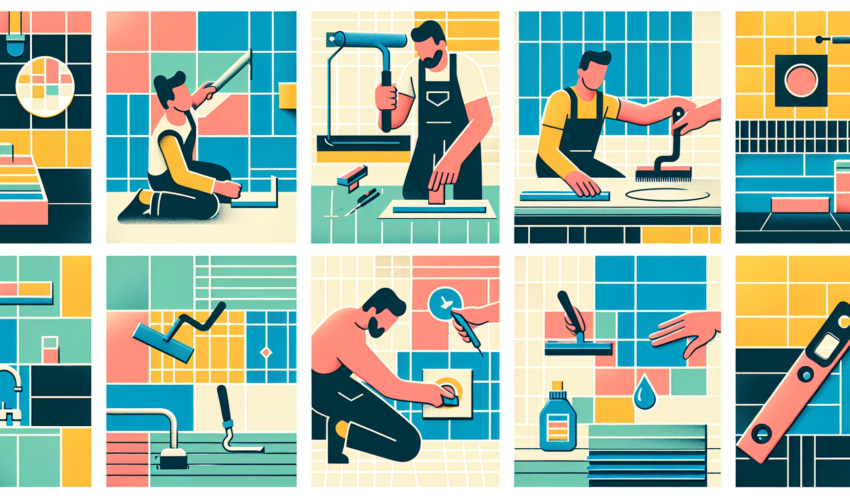
Mastering Tile Installation and Repair: A Beginner’s Guide
Tile installation and repair are valuable skills that can transform any living space. Whether you’re looking to upgrade your bathroom, kitchen, or any other area of your home, mastering these skills can save you a significant amount of money and add a personal touch to your renovations. This beginner’s guide will take you through the essential steps and tips for mastering tile installation and repair.
Understanding Tiles and Their Applications
Before embarking on your tiling project, it’s crucial to understand the different types of tiles available and their respective applications. Ceramic and porcelain tiles are popular for their durability and variety of designs, making them suitable for floors, walls, and backsplashes. Natural stone tiles, such as marble, granite, and slate, offer a unique, luxurious look but require more maintenance. Glass tiles are ideal for mosaics or accent walls but are less suited for high-traffic floor areas.
Tools and Materials You Will Need
Gather all the necessary tools and materials before starting your project to ensure a smooth installation process. Key tools include a notched trowel, tile cutter or wet saw, tile spacers, level, sponge, and a rubber float. Essential materials include tiles, thin-set mortar, grout, and sealant. Don’t forget safety equipment such as gloves and eye protection.
Preparation Is Key
Proper preparation is crucial for a successful tile installation. Start by cleaning and leveling the surface where you will install the tiles. Any bumps or irregularities can affect the final result. Measure the area carefully and plan your layout to minimize cuts and ensure an aesthetically pleasing arrangement. Remember to include space for grout lines.
Installing the Tiles
Begin by spreading a thin layer of mortar on the surface using your notched trowel, and then press your tiles into place. Use tile spacers to maintain consistent grout lines. Regularly check that your tiles are level and adjust as necessary. Once all the tiles are installed, allow the mortar to dry according to the manufacturer’s instructions before proceeding to grout.
Grouting and Sealing
After the mortar has set, remove the tile spacers and apply grout with a rubber float, working it into the spaces between the tiles. Wipe away any excess grout with a damp sponge, being careful not to remove grout from between the tiles. Once the grout has dried, apply a sealant to protect the grout and tiles from water and stains, especially in areas exposed to moisture.
Tile Repair Tips
Even with the best installation, tiles can crack or become damaged over time. For minor cracks or chips, a tile repair kit can often provide a quick fix. For more significant damage, it may be necessary to remove and replace the affected tile. Carefully chisel out the damaged tile and clean the area before installing a new tile following the steps outlined above.
Practice Makes Perfect
Tile installation and repair can seem daunting at first, but with practice, anyone can master these skills. Start with smaller projects and work your way up. Remember, patience and attention to detail are your best tools. Don’t get discouraged by mistakes; instead, use them as learning opportunities.
Conclusion
Mastering tile installation and repair is a rewarding endeavor that can significantly enhance the appearance and value of your home. By following the steps and tips outlined in this guide, beginners can tackle their tiling projects with confidence, achieving professional-looking results.