
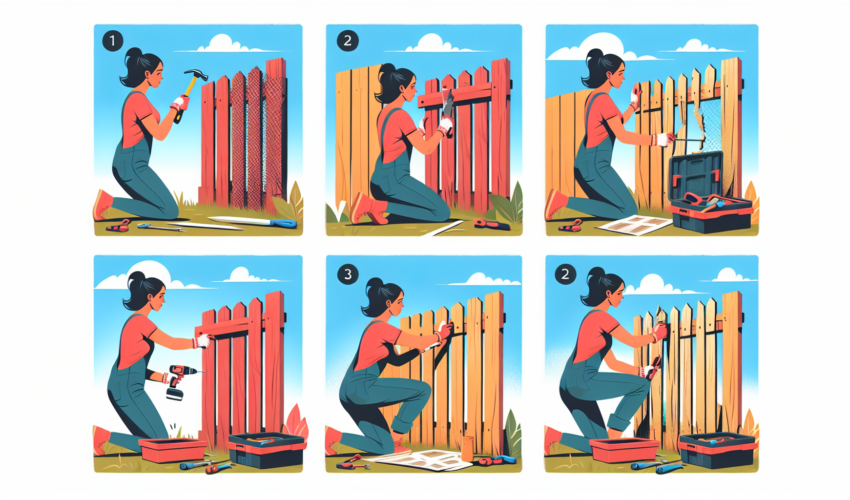
Fence Installation and Repair: A Beginner’s Guide
Fences not only define the boundaries of your property but also add to its aesthetic appeal and security. Whether you are thinking about installing a new fence or repairing an existing one, tackling fence-related projects can initially seem daunting. However, with a bit of knowledge and the right tools, you can embark on this home improvement journey with confidence. This guide will provide beginners with valuable insights into the essentials of fence installation and repair.
Choosing the Right Fence
The first step in fence installation is choosing the right type of fence for your needs, budget, and landscape. There are several materials to consider, including wood, vinyl, aluminum, and chain-link, each with its own set of advantages and considerations.
- Wood fences are popular for their natural appearance and privacy, but they require more maintenance to prevent rot and termite damage.
- Vinyl fences offer long-lasting durability and minimal maintenance but can be more expensive upfront.
- Aluminum fences are preferred for their durability and elegance, often used around pools or for decorative purposes.
- Chain-link fences are the most cost-effective option and good for security purposes, but they provide less privacy.
Planning and Preparation
Before you dig your first post hole, there are several preparatory steps you must take:
- Check local regulations: Many municipalities have specific rules regarding fence height, style, and how close to the property line you can build. Obtain any necessary permits before you start.
- Locate utilities: Contact your local utility companies to mark any underground lines to avoid during digging.
- Measure your property: Accurately measure the area where the fence will be installed to determine how much material you will need and where your post holes will go.
The Installation Process
Once you’ve planned and gathered your materials, you’re ready to begin the installation process. While specific steps can vary depending on the type of fence you’re installing, the general process includes:
- Marking the layout: Use stakes and string to mark where the fence will go, ensuring straight lines and even spacing between posts.
- Digging post holes: Post holes should be dug to a depth that’s one-third to one-half the post’s above-ground height, with an additional few inches for gravel for drainage.
- Setting the posts: Place the posts in the holes, add gravel, then fill with concrete to secure. Make sure posts are level and properly spaced.
- Attaching rails and panels: Once the posts are set, attach the rails, panels, or pickets, ensuring everything is level and evenly spaced.
Fence Repair Basics
Repairing an existing fence is often a matter of replacing or repairing damaged sections:
- Wooden fences may require new boards or panels to replace rotted or damaged ones. Sometimes, it’s necessary to restain or repaint the whole fence to ensure uniformity.
- Vinyl fences often need panel or picket replacements if cracked or damaged. Check the manufacturer’s guidelines for replacement parts.
- Aluminum and chain-link fences might need bent or broken sections straightened or patched.
Always check the posts’ integrity; they are the foundation of your fence. If a post is rotted or damaged, the entire section of the fence can be compromised.
Maintenance Tips
Regular maintenance can extend the life of your fence regardless of the material. For wood fences, applying a sealant every few years can prevent rot and damage. For vinyl and aluminum fences, occasional cleaning with soap and water can keep them looking new. For chain-link fences, keeping the metal coated can prevent rust. Inspecting your fence regularly for signs of damage or wear will also help you address issues before they require major repairs.
Installing or repairing a fence does not have to be an overwhelming project. With careful planning, the right materials, and a bit of elbow grease, you can significantly enhance your property’s appearance, privacy, and security. Remember, when in doubt, consult with a professional to ensure your fence project is successful and up to code.